

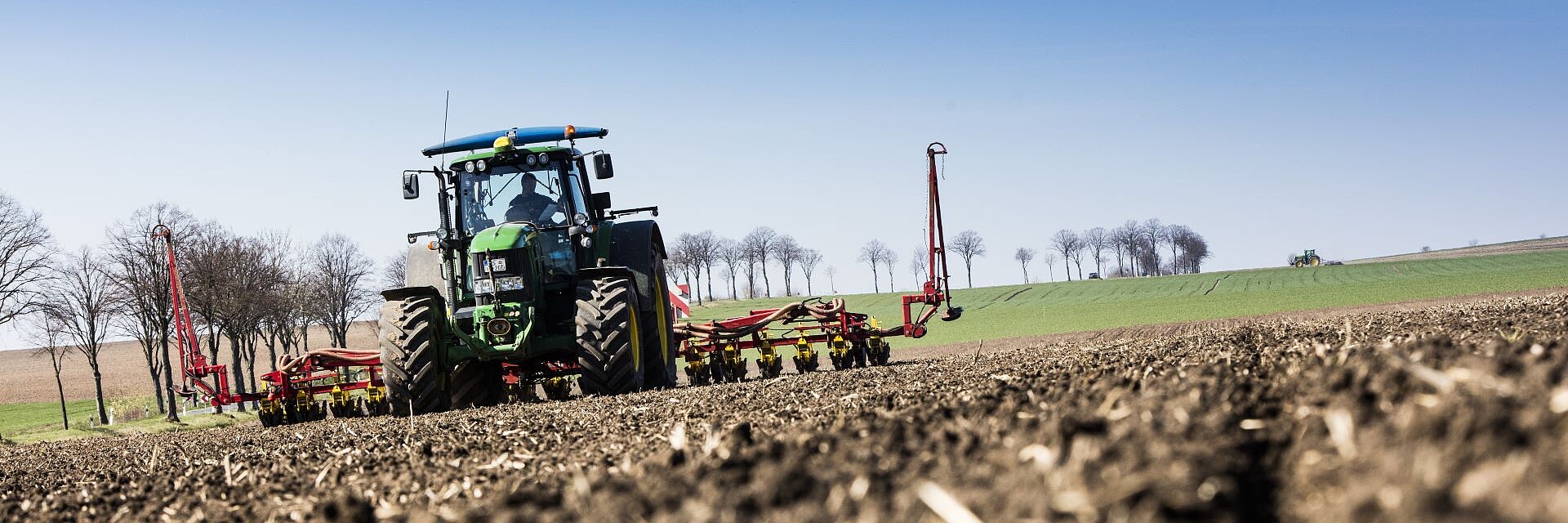
SBR
The "Syndrom basse richesse" (SBR) is referred to the syndrome of low sugar. The disease is transmitted by Pentastiridius leporinus (leaf hopper) by transferring a bacterial pathogen complex into the plants. The yield losses can be very significant.
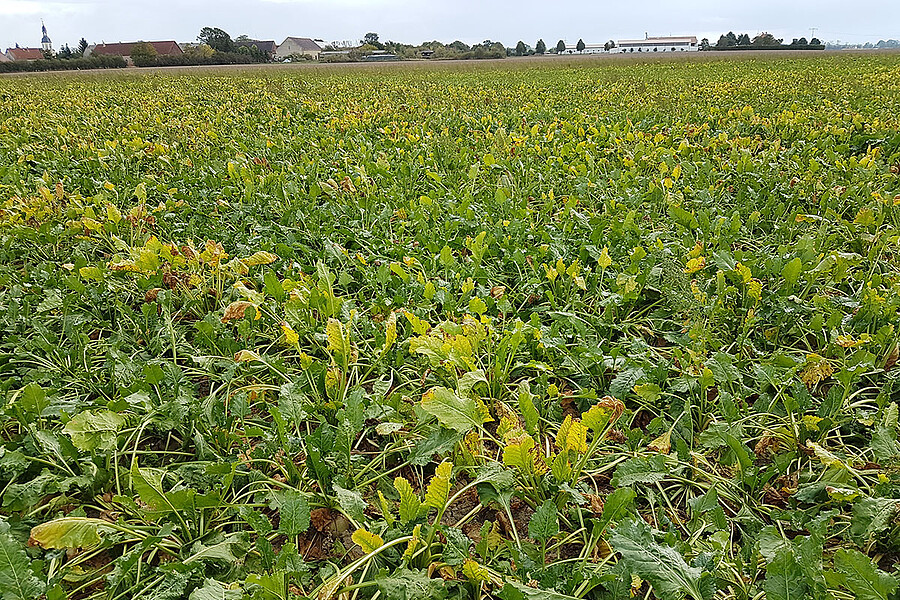
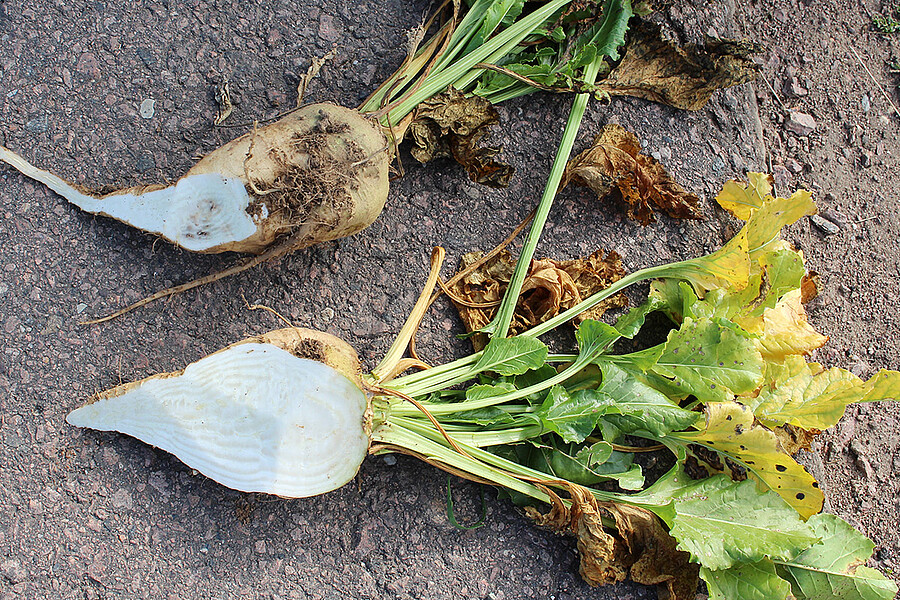
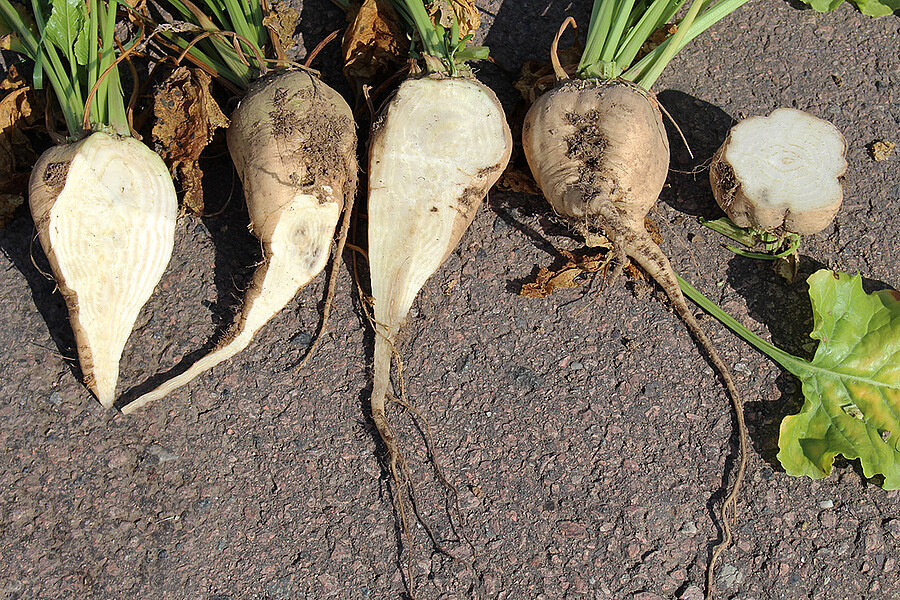
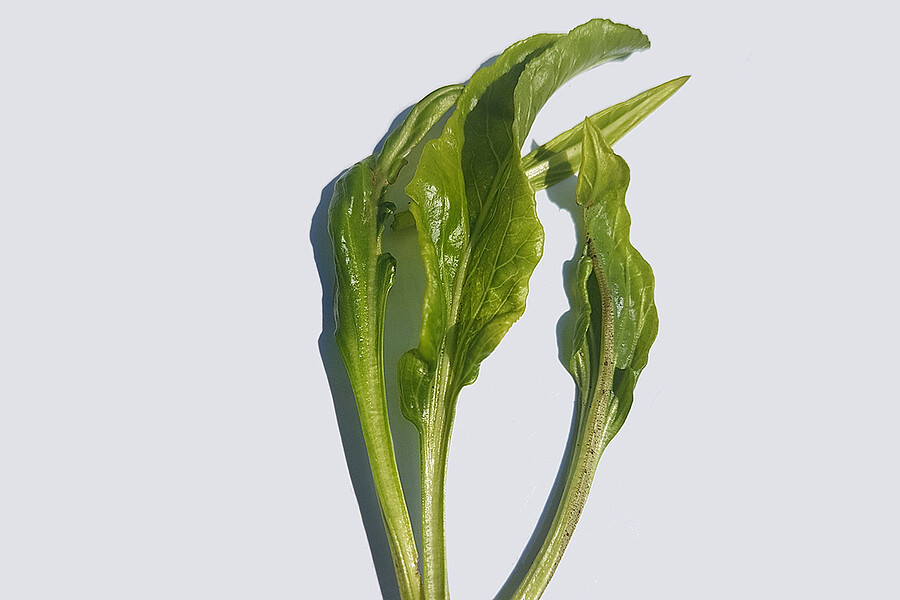

SBR was first observed in Burgundy, France, in 1990. The disease made its way through Switzerland to southern Germany. The carrier of the bacterial disease is the reed leaf cicada. If the sugar beets have been infected with the bacterial pathogen complex (a proteobacterium and a phytoplasm), the pathogens multiply and block the vascular system of the plants. The nutrient balance is disturbed. Chlorosis forms on the leaves and as the infection proceeds, the leaves are dying. The new growing leaves cost the sugar beet a lot of energy, which is gained by the stored sugar.
Symptoms:
- Leaf chlorosis (yellow leaves, yellowing)
- Leaf necrosis (death of leaf tissue)
- Whole leaves are dying
- Browning of the vascular bundle rings in root
- New growing of lanceolate leaves
- Losses in sugar content of up to 5% absolute
- Reduction of the yield
Control options:
- Insecticides: They are not a solution because the efficiency is less than 50 percent.
- Interruption of the development cycle / crop rotation: The cicadas normally develop in winter wheat and from there fly into the sugar beet fields. A changed crop rotation with winter rye instead of winter wheat could, according to French studies, minimize the infestation by 30 percent.
- Tolerant varieties: In screenings and in field trials with various approved sugar beet varieties, differences in their susceptibility to SBR were found. Some varieties showed a tolerant behavior towards the disease, so that a targeted selection of tolerant genotypes is promising in the future.
You know your fields – we provide additional impulses and in-depth expertise. Together, we will develop the best solution for your farm. Find your cultivation advisor in your country:
Strube worldwide
As an internationally active company, we offer a diverse product portfolio in 40 countries.
- 1. Select your region to contact a Strube sales partner.
- America
- Asia
- Africa
- Europe
- Oceania
- 2. Select your country to contact a Strube sales partner.
Select a different continent.